

Give an AI model a few thousand inspection images and it will flag the obvious defects fast, consistently, and at a scale no human crew can match. That is real, and it is useful. But catching most of the defects is not the same as catching the ones that will fail. The gap between those two things is small in percentage terms and enormous in consequence, and it is where a journeyman who has worked the asset earns their place.
This is what human verification means. Not AI instead of people. Not people instead of AI. AI to see everything quickly, and qualified field professionals to judge what actually matters.
What AI is genuinely good at
Credit where it is due. Modern inspection models are excellent at pattern detection at scale.They do not get tired on the ten-thousandth image. They flag the broken insulator, the obvious lean, the visible corrosion, and they do it consistently. For triage across a large system, that is real value, and any firm claiming otherwise is selling nostalgia. The problem is not what AI catches. It is what it cannot know.
Catching most is not catching the ones that matter
Say a model flags 95% of the defects on a set of structures. Impressive on paper. But an inspection is not graded on volume. It is graded on whether the defect that was going to cause the outage, the fire, or the disallowed rebuild was found. Those defects are often the ambiguous ones: the hairline crack that looks like a shadow, the fitting that photographs fine but is failing under load, the condition that only reads as a problem if you know how this class of structure ages in this environment.
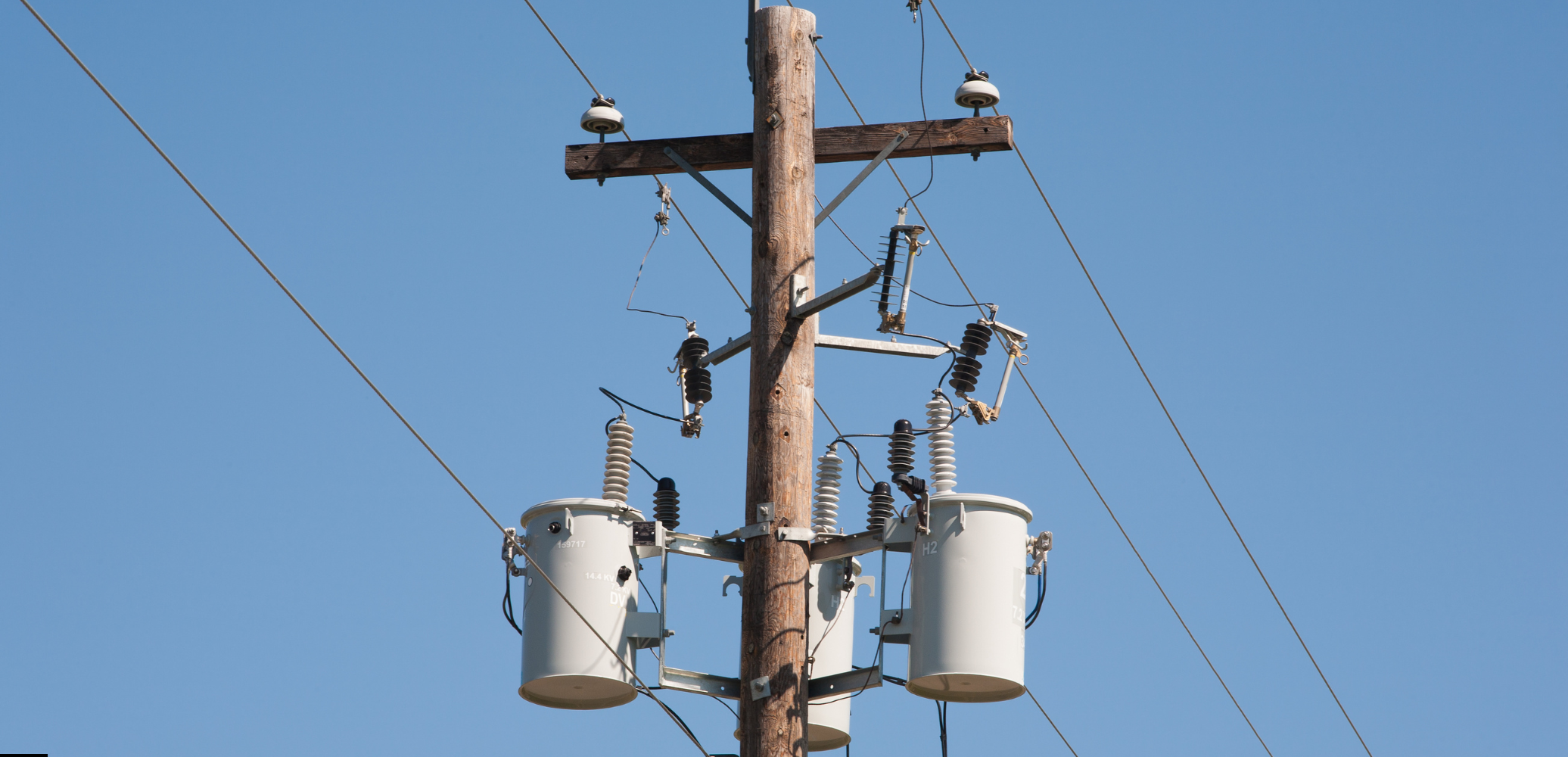
An AI model flags what it was trained to see. It does not know what it is looking at. It has no memory of standing on that pole, no feel for how that conductor behaves in a hard wind, no context for why a hardware choice that is fine in one span is a liability in the next. That knowledge does not live in the training set. It lives in the people who have done the work.
What the linemen found
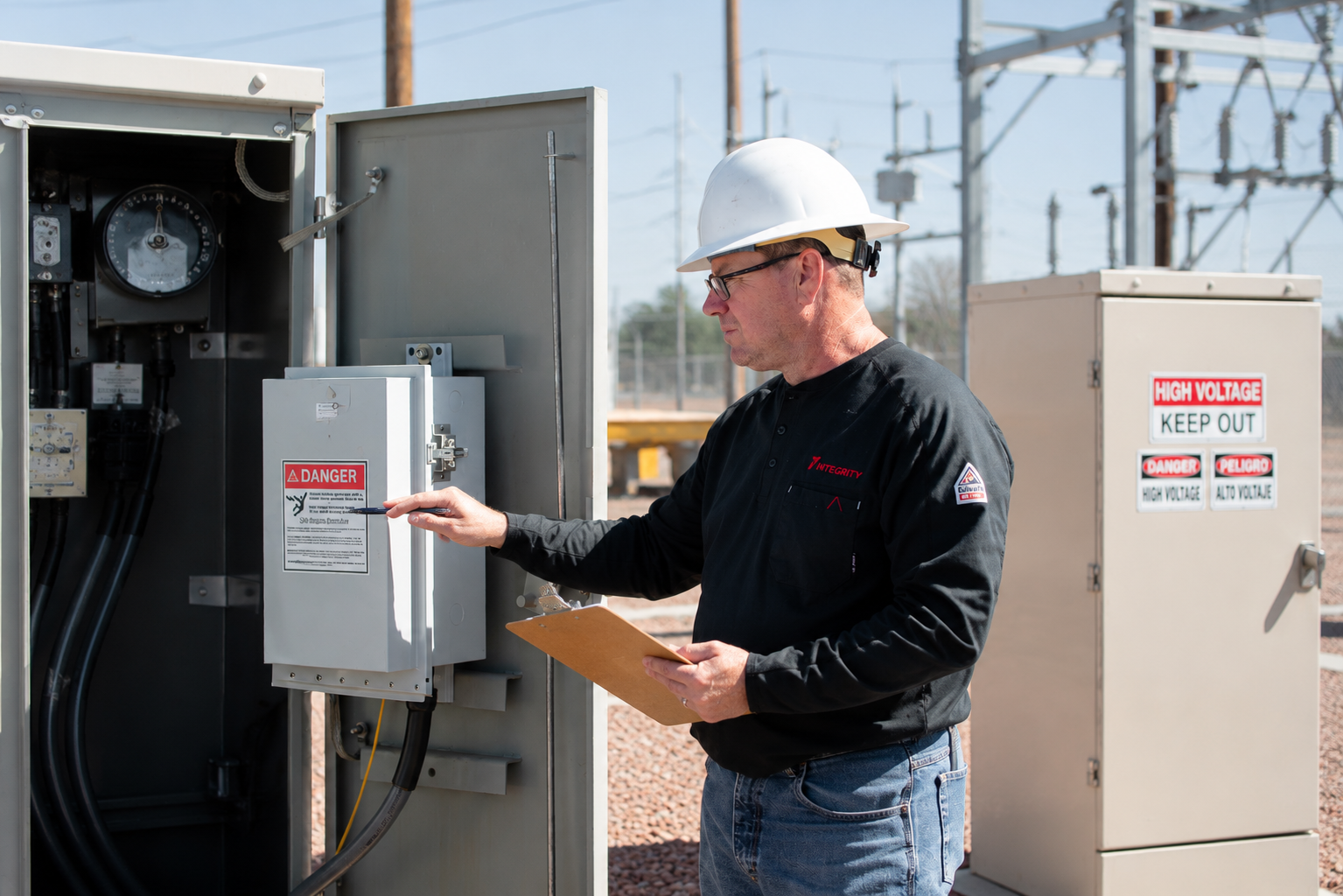
This is the part that does not show up in a defect count. A journeyman reviewing AI-flagged findings does three things a model cannot. They clear the false positives that would otherwise burn a truck roll. They catch the missed defect that did not match a trained pattern but reads as a problem to an experienced eye. And they add the context that turns a flag into a decision: how urgent it is, what caused it, and what it means for the assets around it.
The result is not a longer list. It is a more trustworthy one. A defect count tells you how many things a system flagged. It does not tell you whether the one that matters is on it.
Why “not a black box” matters
There is a second reason the human layer is not optional, and it is the one a regulator cares about. An inspection finding has to be defensible. A model that outputs a conclusion without a traceable, reviewable basis is a black box, and a blackbox does not survive a prudency review or an incident investigation. When a qualified inspector has verified the finding, the utility can show its work: who assessed it, against what standard, and why. That is the difference between data you can file and data you have to defend.
Industry research keeps pointing at the same soft spot. EPRI has documented that utilities’ system data often does not represent what is actually in the field.¹ NREL has identified the model-development and validation stages as the most error-prone in distribution analysis, precisely the stages that depend on human judgment.² Transmission inspection is governed by standards that assume qualified assessment, not automated guesswork.³ And under NERC’s facility-ratings standard, a single mis-rated asset can carry penalties of up to $1 million per day, per violation.⁴ The stakes do not reward a black box.
The engineered outcome
The right model is not AI or journeymen. It is AI and journeymen, in that order: technology to see at scale, craft to judge what matters, and a chain of accountability that runs from the field to closeout. Not a black box, because every finding is verified by someone who can defend it. Not a body shop, because the work is owned end to end rather than handed off by the hour.
AI saw 95% of the defects. Our linemen found the ones that were going to cost you. That is not a knock on the technology. It is the whole point of pairing it with people who have worked the assets they inspect.
Notes
1. Electric Power Research Institute, Report 1024303 (2012).
2. National Renewable Energy Laboratory / IREC, data-validation methodology for Hosting Capacity Analyses (2022).
3. WECC / NERC Reliability Standard FAC-501-WECC-2/4 (transmission facility inspection requirement).
4. NERC Reliability Standard FAC-008-5; penalty authority under Federal Power Act §215 (up to $1,000,000 per day, per violation).